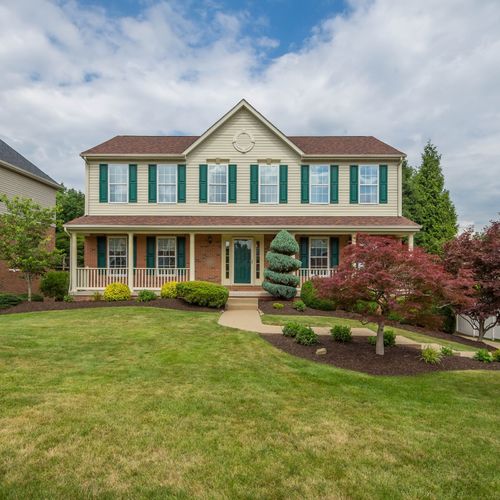

The short answer: Upsizing into an older Mt. Lebanon home can be a great move, but the extra space is only worth it if you understand how it was created and maintained. Before you buy, confirm the layout actually fixes what isn't working in your current house, check whether renovations and additions were permitted, look hard at the roof, mechanicals, and basement water management, and know where the home stands on Mt. Lebanon's point of sale dye test.
You finally find it.
The fourth bedroom. A real office. More usable living space. Maybe a bigger kitchen or a finished lower level.
For someone upsizing in Mt. Lebanon, that can feel like the end of the search.
It should actually be the beginning of the evaluation.
Mt. Lebanon's older housing is a big part of its character, and older doesn't mean bad. But when you're moving into a larger home, especially one that's been renovated or expanded over the years, the question isn't just whether you like the extra space.
It's whether you understand how that space was created, maintained, and updated.
Does the bigger house actually solve your problem?
Upsizers can get so focused on square footage that they buy more space without buying better space.
If your current house doesn't have a home office, does the next one have a room that truly works as one?
If mornings are chaos because everyone shares one bathroom, does the new layout fix that?
If entertaining is the issue, is the kitchen meaningfully more functional, or just bigger?
A 3,000 square foot house can still have the wrong floor plan for you and your family.
Define the pressure point first. Then judge every home against it.
Were the renovations and additions permitted?
Older homes evolve. An owner finishes the basement. Someone adds a deck. Windows get replaced. A room gets expanded. An addition changes the original footprint.
None of that is a problem by itself. Good renovations can make an older home dramatically better.
But I want to know what was done, and how.
Mt. Lebanon requires permits for work including additions, decks, structural roof repairs, and window replacements, and its Inspection Office reviews plans and issues those permits. The municipality also notes that open permits can delay a sale, because lien letters won't be issued while permits are still open.
So when a house has obviously been altered, the permit history is worth a look. You can call the Mt. Lebanon Inspection Office at 412.343.3408 with questions.
That beautiful addition is a lot more valuable when you know how it got there.
What systems should I check in an older Mt. Lebanon home?
A bigger house means more house to maintain. That's why I want buyers looking past the countertops and flooring.
- How old is the roof, and what condition is it in?
- How old are the furnace and air conditioning?
- Has the electrical been updated?
- What's the plumbing made of?
- How old are the windows?
- How is water managed around and under the house?
You're not looking for a home where nothing will ever need replacing. That home doesn't exist.
You're trying to understand what you'll likely be responsible for in the first few years. A house that costs more to buy and immediately needs several big projects can feel very different from what the listing price suggests.
How do I know if the basement will stay dry?
Basements matter to upsizers. They can add a rec room, an office, storage, or space for guests. That makes water management worth real attention.
Look at the grading. The downspouts. The sump system. Any signs of past moisture. Ask questions if you see freshly patched drywall or unusually new finishes in just one corner.
The goal isn't to treat every basement as suspicious. It's to understand how water is handled before you count that lower level as essential living space.
Mt. Lebanon requires a building permit for new or replaced subfloor drainage systems, so if major drainage work was done, it's fair to ask whether it was permitted.
What is Mt. Lebanon's dye test, and why should buyers care?
This one surprises a lot of people moving up from another community.
Mt. Lebanon requires a dye test when a home sells. It confirms that storm and surface water, like downspouts and yard drains, aren't flowing into the sanitary sewer. The seller handles it, and proof of compliance is due at least 10 business days before closing.
If the home fails, the problem has to be corrected and approved by the municipality, and there's an escrow option when repairs can't be finished in time. An approved dye test is good for three years.
As a buyer, ask early whether the test has been done and whether it passed. A failed test isn't a deal breaker, but you want to know who's fixing what before you close.
Should I get a sewer camera inspection?
The sewer lateral is easy to ignore because you can't see it during a showing. It's the pipe that carries wastewater from the house to the municipal sewer.
A dye test checks where water is going. It doesn't tell you what shape that pipe is in. On an older home, and depending on your inspector's advice, a sewer camera inspection can be worth adding to your due diligence.
It's a much less exciting video than the home tour.
It can also be a lot more useful.
How much will it really cost to update an older home?
Sometimes the right upsizing opportunity is an older home that has the space you need but not the finishes you want. That can work really well.
Just don't mentally renovate using prices from the project you did ten years ago. Get realistic numbers. Then prioritize.
Maybe the kitchen works fine for three years. Maybe the primary bathroom matters more. Maybe the floors get refinished before move in while painting waits.
You don't need to finish somebody else's Pinterest board before you unpack.
Will my property taxes go up?
Almost certainly, because a bigger home usually carries a higher assessed value. Look up the Allegheny County assessment for any Mt. Lebanon home you're serious about and build the real tax number into your monthly budget, not just the mortgage.
How should I read the inspection report on an older home?
An inspection isn't a report card where the house gets an A or an F.
Older homes will have findings. The useful question is which ones materially affect safety, cost, structure, or your willingness to own the place.
I'd much rather a buyer understand the house than expect the inspector to call it "good." That mindset matters even more when you're buying a lot more home than you have now.
Quick answers for Mt. Lebanon upsizers
Is buying an older home in Mt. Lebanon a good idea?
It can be. Many older homes have great bones and character. Just check permit history, major systems, and basement water management before you commit.
Do I need permits for renovations in Mt. Lebanon?
Yes, for work including additions, decks, structural roof repairs, window replacements, and subfloor drainage systems. Open permits can delay a sale.
What is the Mt. Lebanon dye test?
A required test at the time of sale that confirms storm water isn't entering the sanitary sewer. The seller completes it, and an approved test is good for three years.
Should I get a sewer scope on an older Mt. Lebanon home?
It's often worth considering. A dye test doesn't show the condition of the sewer line itself, and a camera inspection does.
Will upsizing raise my property taxes?
Usually, yes. A larger home typically has a higher assessed value, so check the Allegheny County assessment before you make an offer.
The charming house still has to work
Mt. Lebanon buyers are understandably drawn to what the community does so well: established streets, distinctive architecture, and in certain spots, easy access to the business districts and public transit.
Those things matter. But the house itself still has to solve your problem. The fourth bedroom only matters if the rest of the property works, financially and physically.
I'm Tim Phillips, and along with my wife and business partner Nina, we help families buy and sell throughout Mt. Lebanon and the South Hills. If you're upsizing, we'll help you compare homes beyond bedroom count and square footage. Sometimes the older house with the right bones is exactly the answer. The goal is to know what you're buying before the extra space convinces you to stop asking questions.
Call or text us at 724.413.4675, email [email protected], or get in touch here.
Check out this article next